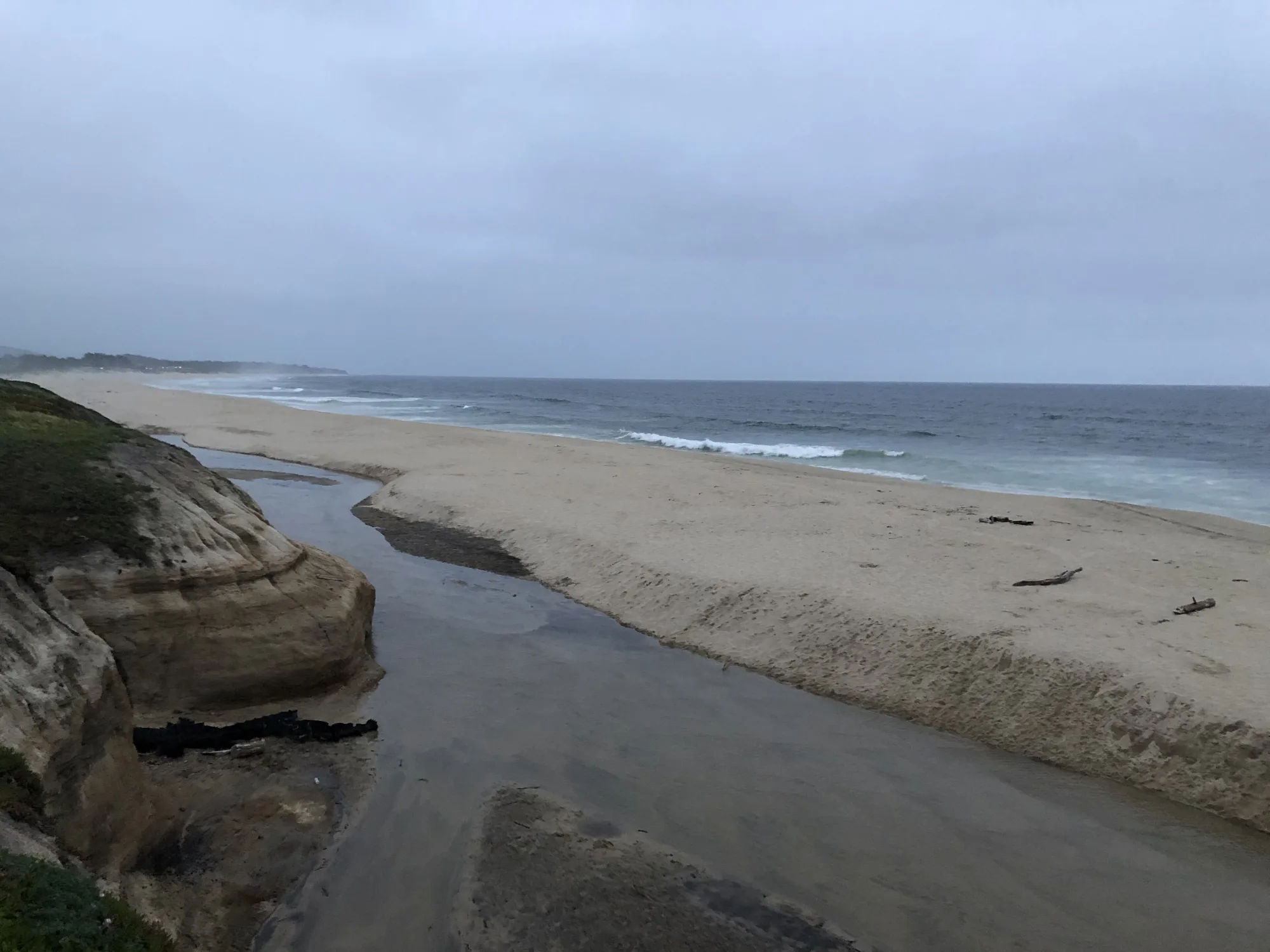
Coasters to Waves is written for travelers who want clear California logistics—not marketing fluff. Use the sections below to shape a realistic day plan.
Route geography and overnight strategy
Treat the drive as a chain of short legs rather than one marathon. Overnight near the next morning’s highlight so you are not racing sunset on unfamiliar roads. Corridor towns around California coastal towns, inland valleys, mountain gateways make natural hubs when you need fuel, groceries, and early coffee.
How to plan Coasters to Waves
Start with your season and travel party, then pick a primary anchor and one backup. California itineraries fail when every hour is ticketed—leave white space for fog delays, parking hunts, and spontaneous neighborhoods.
For winter storm watching on the coast and snow access in the Sierra, prioritize outdoor blocks earlier in the day and indoor or urban evenings later. Download offline maps before rural stretches—cell service drops in canyons and high desert.
- Confirm timed-entry, ferry, or tasting reservations 48–72 hours ahead when required.
- Check park, road, and air-quality alerts the morning you depart.
- Budget parking or rideshare separately from attraction tickets.
- Keep one flexible meal so dietary needs and wait times do not derail the day.
Outdoor and nature add-ons
For travelers researching Coasters to Waves, outdoor and nature add-ons often becomes the difference between a rushed checklist and a memorable day. Watch accessibility details such as stairs, sand, shuttle gaps, and stroller rules. Local conditions around California coastal towns can change with wind, fog, and event calendars—verify hours the day before.
If you only have a short window, choose the single highest-value stop in this theme and protect transit time on both sides. Longer trips can sequence two related experiences with a scenic transfer instead of a freeway-only hop.
Evening options and logistics
For travelers researching Coasters to Waves, evening options and logistics often becomes the difference between a rushed checklist and a memorable day. Match energy levels: pair an active segment with a café or gallery buffer. Local conditions around inland valleys can change with wind, fog, and event calendars—verify hours the day before.
If you only have a short window, choose the single highest-value stop in this theme and protect transit time on both sides. Longer trips can sequence two related experiences with a scenic transfer instead of a freeway-only hop.
Booking windows and timed entry
For travelers researching Coasters to Waves, booking windows and timed entry often becomes the difference between a rushed checklist and a memorable day. Think about light and crowds—golden hour photos and lunch rushes rarely overlap well. Local conditions around mountain gateways can change with wind, fog, and event calendars—verify hours the day before.
If you only have a short window, choose the single highest-value stop in this theme and protect transit time on both sides. Longer trips can sequence two related experiences with a scenic transfer instead of a freeway-only hop.
Signature experiences and photo stops
For travelers researching Coasters to Waves, signature experiences and photo stops often becomes the difference between a rushed checklist and a memorable day. Focus on pacing: see the headline stop first, then decide whether a second site is worth the transfer. Local conditions around California coastal towns can change with wind, fog, and event calendars—verify hours the day before.
If you only have a short window, choose the single highest-value stop in this theme and protect transit time on both sides. Longer trips can sequence two related experiences with a scenic transfer instead of a freeway-only hop.
Practical California travel notes
Microclimates are real: coastal fog, inland heat, and mountain wind can appear on the same afternoon. Pack layers even in July. Wildfire smoke and winter storms can close roads quickly—have an alternate indoor plan.
Respect habitat closures, private property, and tribal land rules. On beaches and cliffs, treat sneaker waves and unstable edges as active hazards, not backdrop props.
Continue planning with TripCali places to visit, road trips, and things to do hubs for adjacent ideas.
TripCali publishes independent travel guidance. Details here are planning notes—always confirm hours, prices, accessibility, and safety conditions with official operators before you go.
People also ask
What is Coasters to Waves about?
Coasters to Waves is an OpenCalifornia planning guide covering practical stops, timing tips, and trip logistics for travelers researching California. Use it alongside our place and road-trip pages when you book overnight stays.
How much time should I budget for Coasters to Waves?
Most visitors spend a half day to two full days depending on whether you treat this as a single stop or a multi-stop loop. Build buffer for parking, meals, and seasonal crowds.
Do I need a car for Coasters to Waves?
Transit can cover parts of larger cities, but many coastal, wine-country, and mountain itineraries still need a car or tour transfer. Confirm last trains or ferry times before night drives.
When is the best time to experience Coasters to Waves?
Weekdays beat weekends for popular attractions. Early starts help at trailheads, theme parks, and beach lots that fill by late morning.
What should I pack for a trip focused on Coasters to Waves?
Layers for California’s microclimates, reusable water, sunscreen, offline maps, and any park or timed-entry reservations. Comfortable shoes matter more than formal outfits for most stops.
How does Coasters to Waves connect to California?
Use regional hubs on our Places to Visit map to cluster lodging near the activities that matter most for your dates.
Photo: Wikimedia Commons / Jacob Repko jacobrepko