
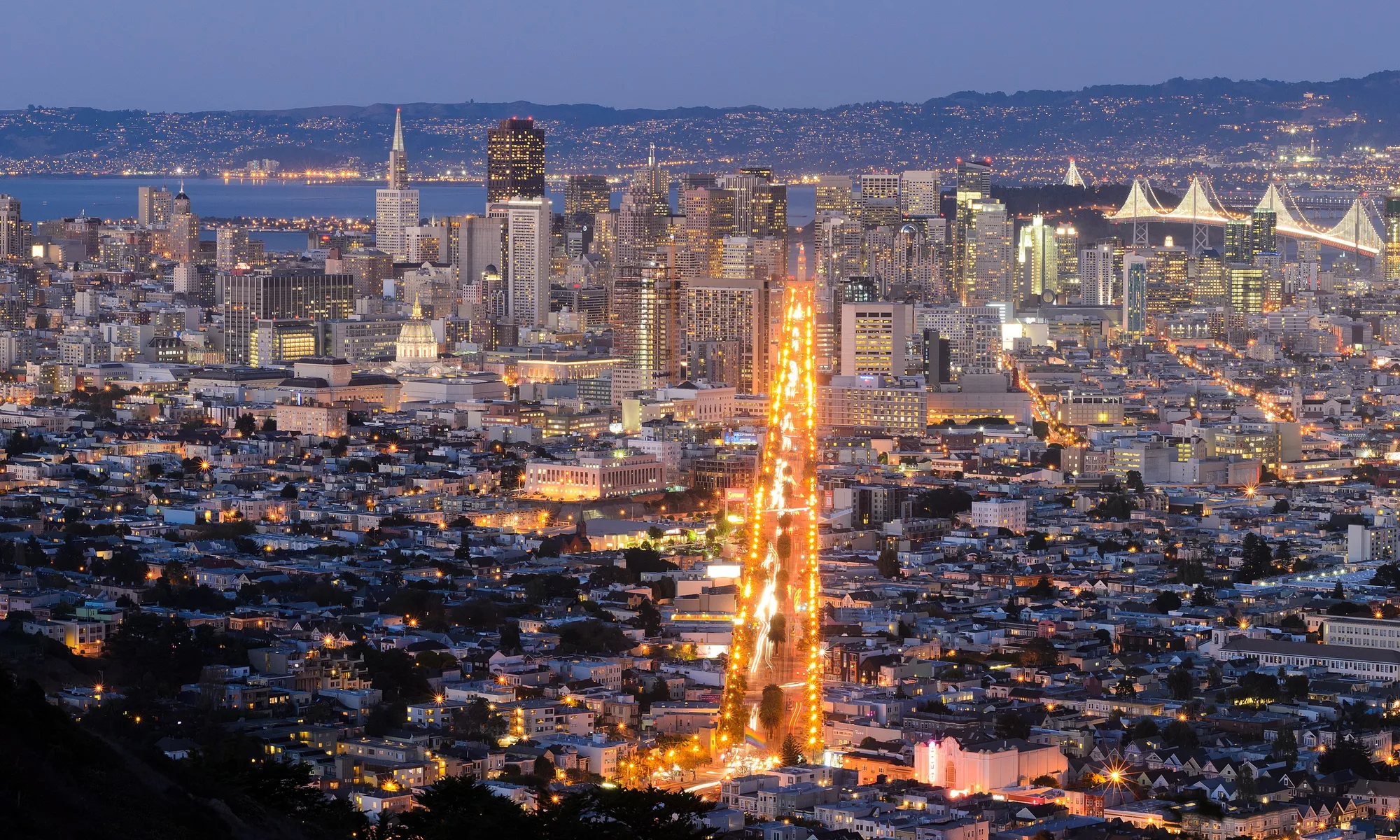
San Francisco
A compact peninsula city of cable cars, foggy bridges, world-class food, and walkable neighborhoods—ideal for a three-to-five-day California city break with easy day trips.
Interactive map loading… View on OpenStreetMap
37.7749, -122.4194 · OSM
- Type
- city
- Region
- San Francisco Bay Area
- Season
- Best April, May, September
- Access
- Near SFO
About San Francisco
A compact peninsula city of cable cars, foggy bridges, world-class food, and walkable neighborhoods—ideal for a three-to-five-day California city break with easy day trips.
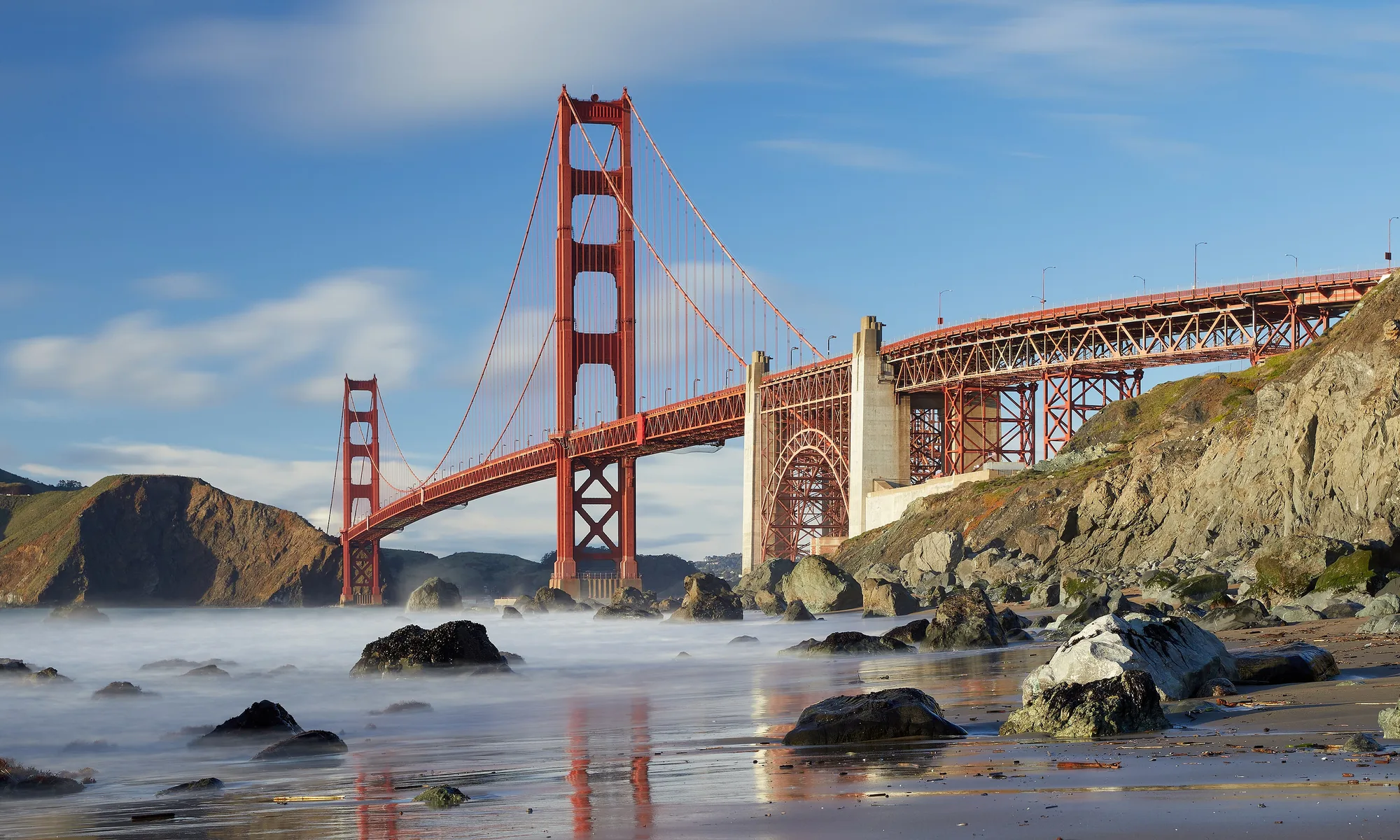
Walk or bike the span, or catch classic angles from Crissy Field, Battery Spencer, and the Presidio without needing a full day. Ferry to the former federal prison for audio tours, bay views, and one of California’s most booked historic experiences. Museums, gardens, lakes, and weekend energy across a park larger than many visitors expect—easy to combine with Inner Sunset food stops. Mission, Chinatown, North Beach, and Ferry Building markets show why San Francisco is a food city—not just a postcard city.
Know before you go
- Microclimates: Pack layers. Ocean Beach and the Richmond can be windy and foggy while the Mission feels sunny and warm the same afternoon.
- Hills and transit: Comfortable shoes matter. Muni and rideshares beat circling for parking in crowded districts.
- Alcatraz tickets: Popular sailings sell out—book the ferry reservation ahead rather than hoping for same-day availability.
- Safety basics: Use normal big-city awareness, especially with bags in tourist corridors and on transit; keep hotel addresses handy for navigation apps.
- Live weather: Use the National Weather Service forecast panel on this page before hikes, boating, or long coastal walks.
- Reservations: Popular restaurants, tastings, and tours often require advance booking on weekends and holidays.
How to get to San Francisco
San Francisco sits at the tip of a peninsula between the Pacific Ocean and San Francisco Bay. Most visitors fly into the Bay Area and finish the trip by transit, rideshare, or rental car.
- Fly into SFO when you can San Francisco International is the closest major airport—often 20–35 minutes to downtown by BART, taxi, or rideshare depending on traffic and your exact neighborhood.
- Consider OAK or SJC for price or schedule Oakland (OAK) is a solid alternative with BART and bridge access into the city. San Jose (SJC) works if you are combining Silicon Valley with a San Francisco stay, but allow extra transfer time.
- Use BART, Muni, and ferries in the core BART links airports and East Bay cities to downtown. Muni buses, light rail, and cable cars cover neighborhoods; ferries connect to Sausalito, Oakland, and other bayfront towns.
- Rent a car only if leaving the city Parking and hills make a car optional inside San Francisco. Reserve one for Muir Woods, Napa/Sonoma, Highway 1, or multi-city Bay Area itineraries.
Plan your visit
Best months
April, May, September, October
Typically the most comfortable months for weather and crowds.
Nearest airport
San Francisco International (SFO)
About 25 minutes by car, depending on traffic.
Highlight
City · Bay Area · Iconic landmarks
A compact peninsula city of cable cars, foggy bridges, world-class food, and walkable neighborhoods—ideal for a three-to-five-day California city break with easy day trips.
Give yourself three to four full days for first-time highlights—Golden Gate viewpoints, a neighborhood food crawl, Alcatraz or a bay cruise, and Golden Gate Park—then add days for day trips to Muir Woods, wine country, or Highway 1.
Best time: Late spring and early fall are often clearer and milder than midsummer, when ocean fog can sock in the western neighborhoods even as downtown stays cooler than inland California. Pack a light jacket year-round.
Things to do pacing: Day one—Iconic viewpoints (Golden Gate, Crissy Field, Lombard Street photo stop) plus Fisherman’s Wharf or Embarcadero. Day two—Alcatraz ferry or a bay cruise, then Mission or Chinatown food. Day three—Golden Gate Park museums and gardens, or a cable-car-plus-hills walking loop. Day four—choose Muir Woods, Sausalito ferry, Napa/Sonoma, or Pacifica / Half Moon Bay if you want open coast.
Neighborhood bases: Union Square and SoMa suit first-timers and transit. Fisherman’s Wharf is convenient for ferries. Hayes Valley, the Mission, and northern waterfront pockets work if you prioritize restaurants over maximum tourist density. Stay near a BART or Muni line if you will skip a rental car.
Who it’s for: Walkers, food travelers, culture seekers, and families building a Northern California itinerary. Pure warm-sand beach lounging is better farther south; San Francisco’s Pacific edge (Ocean Beach, Lands End) is dramatic, windy, and rarely tropical.
Budget tips: Hotel rates spike around major conferences and holidays. Transit day passes, free museum days, Ferry Building snacks, and Mission taquerias stretch a trip without skipping signature views. Book Alcatraz and popular restaurants early for weekends.
Getting around: BART links airports and the East Bay; Muni covers neighborhoods; cable cars are experiential more than efficient. Rideshares fill gaps on hills. Rent a car only when leaving the city for redwoods, wine country, or multi-stop coastal drives.
Weather reality check: Microclimates are real—Ocean Beach can be foggy and cold while the Mission is sunny. Use the live National Weather Service panel on this page before long coastal walks or ferry days.
San Francisco: FAQ
How many days do you need in San Francisco?
Three full days cover the main landmarks and a couple of neighborhoods for most first-timers. Four or five days let you add Alcatraz at a relaxed pace, Golden Gate Park, and a day trip to Muir Woods, wine country, or the coast.
What is the closest airport to San Francisco?
San Francisco International (SFO) is closest. Oakland (OAK) is often competitive on price and still workable by BART or rideshare. San Jose (SJC) is farther and makes more sense if you are also visiting the South Bay.
Do I need a car in San Francisco?
Usually no for a city-only trip. Transit, walking, and rideshares handle most neighborhoods. Rent a car when your plans include Muir Woods, Napa or Sonoma, Big Sur, or hopping between Bay Area cities on a tight schedule.
When is the best time to visit San Francisco?
April–May and September–October often bring the best mix of clearer skies and comfortable temperatures. Summer can be foggy and cool near the ocean; winter is greener with a higher chance of rain.
Is San Francisco cold in summer?
It can feel cool, especially west of Twin Peaks and along the Pacific. Afternoon fog and wind are common in July and August, so bring a jacket even if inland California is hot.
How do I get to Alcatraz?
Alcatraz is reached only by the official ferry concession from Pier 33 on the Embarcadero. Tickets include ferry transport and usually the cellhouse audio tour—book early for popular time slots.
Where should I stay in San Francisco?
Union Square and SoMa are convenient for first-timers and transit. Fisherman’s Wharf suits ferry and bay views. The Mission, Hayes Valley, and northern waterfront neighborhoods work well if you prioritize food and local evenings over maximum tourist density.
Can you walk across the Golden Gate Bridge?
Yes. Pedestrians and cyclists can use the sidewalks (rules and which side is open can vary). Many visitors walk partway out for photos, then return by rideshare, bus, or bike rental rather than doing a full out-and-back on a windy day.
What should visitors expect in San Francisco this fall?
September falls in the stronger window for San Francisco (April, May, September, October). Expect typical fall conditions—pack layers, book popular lodging early for weekends, and check live National Weather Service forecasts on this page before outdoor plans. Crowds and rates are usually higher around holidays.
What are the best things to do in San Francisco for first-timers?
Start with a Golden Gate viewpoint, a bayfront walk (Crissy Field or Embarcadero), Alcatraz or a bay cruise, Golden Gate Park, and at least one neighborhood food stop in the Mission, Chinatown, or North Beach. Add cable cars as a short experience rather than your only transport plan.
What should I do in San Francisco in 3 days?
Day 1: Golden Gate views and Presidio / Crissy Field, then waterfront evening. Day 2: Alcatraz or ferry plus downtown or Chinatown. Day 3: Golden Gate Park or a Mission-to-Castro walking and food day. If weather is clear and you have a car, swap day 3 for Muir Woods or a short Highway 1 run to Pacifica.
Is San Francisco good for a weekend trip?
Yes—a Friday-to-Sunday trip works if you book Alcatraz early and pick one neighborhood to explore deeply instead of racing every landmark. Expect higher weekend hotel rates and busier ferry slots.
What day trips can I take from San Francisco?
Popular options include Muir Woods and Sausalito, Napa or Sonoma wine country, Berkeley and Oakland waterfronts, and coastal stops toward Pacifica and Half Moon Bay. Each needs transit planning or a car; peak seasons often require parking or shuttle reservations for Muir Woods.
What is San Francisco known for?
San Francisco is known for the Golden Gate Bridge, steep Victorian neighborhoods, cable cars, Alcatraz, a dense restaurant scene, and foggy Pacific weather. It is also a practical hub for Northern California road trips to redwoods, wine country, and Highway 1.
More places near San Francisco Bay Area
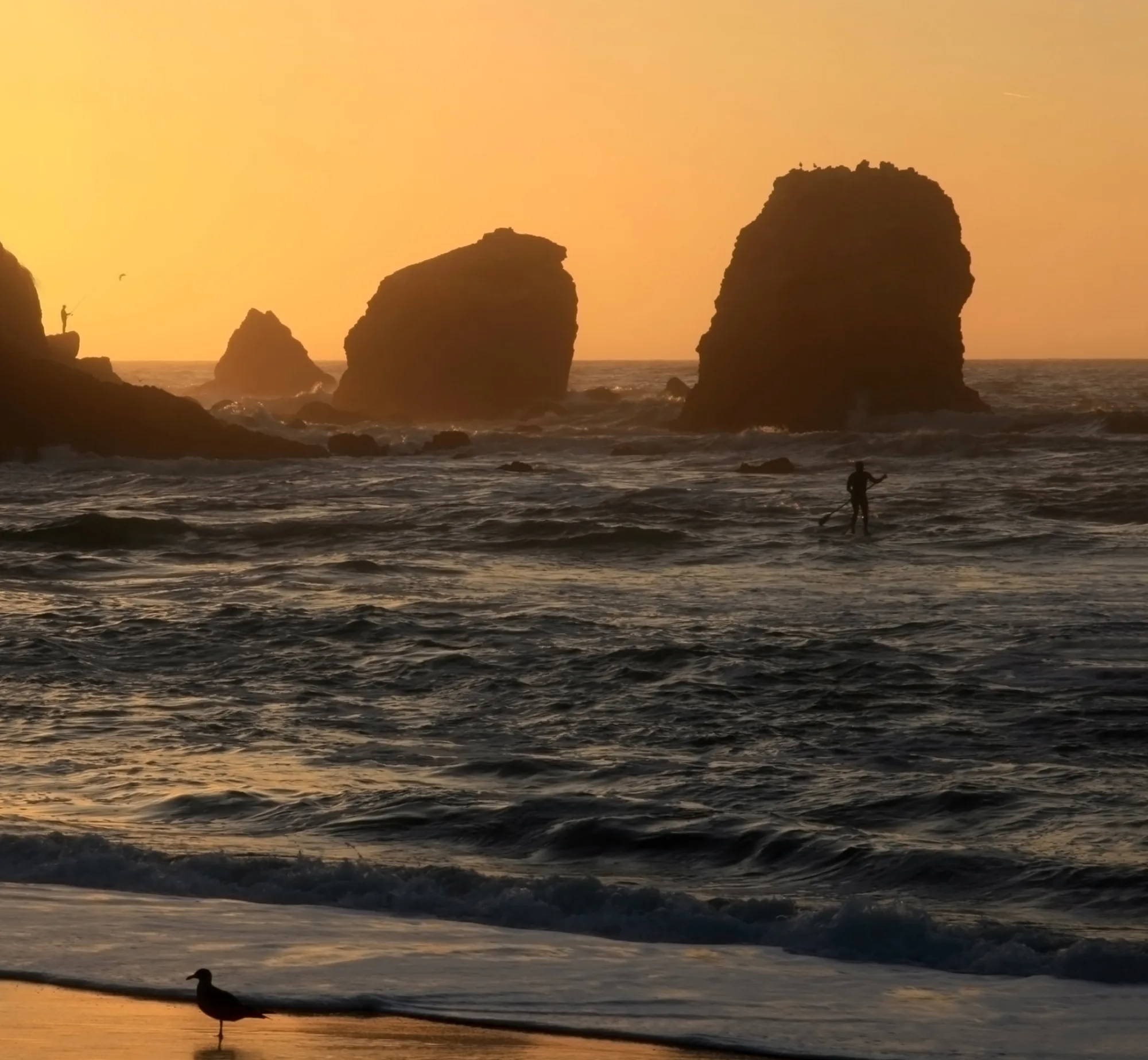
Nearest beaches



Photo: Wikimedia Commons